International Conference on
Renewable & Sustainable
Energy Transition

ReSET 2026
2–3 December 2026  ·  Kathmandu University, Nepal  ·  Hybrid
Organized by Renewable and Sustainable Energy Laboratory (RSEL), Department of Mechanical Engineering, Kathmandu University
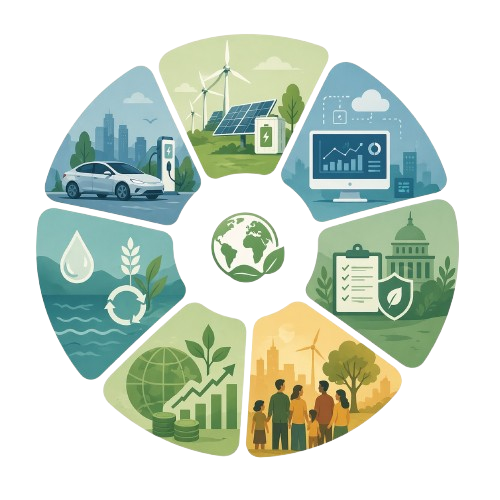
ReSET 2026 Illustration

About ReSET 2026

ReSET 2026 brings together global and regional experts, researchers, practitioners, policymakers, industry leaders, civil society actors, and development partners to advance evidence-based dialogue on accelerating renewable energy deployment across sectors.

The conference bridges the gap between science, policy, and practice by highlighting innovations, enabling policy frameworks, and inclusive approaches that support just and resilient energy transitions. Special attention will be given to developing and emerging economies.

The conference welcomes research papers, policy papers, case studies, and poster presentations.

Researchers & Academics Energy Engineers Policymakers & Officials Industry Leaders Green Finance Practitioners Civil Society & NGOs Students & Early-Career Development Partners
Organised by
Renewable and Sustainable Energy Laboratory (RSEL), Department of Mechanical Engineering, Kathmandu University, Nepal
8
Thematic Areas
5
Collaborating Institutions
Hybrid
In-person & Online
Publication
ESD, Wiley, IOP, KUSET
Publication Options
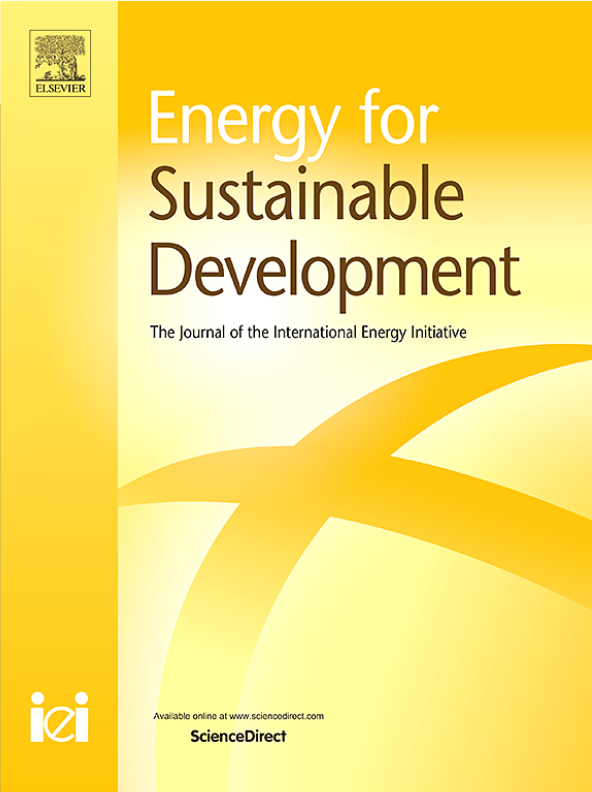
Energy for Sustainable Development

Energy for Sustainable Development

Q1 Journal  ·  Impact Factor (IF) 5.2

A selection of high quality papers would be considered for developing a special issue in journals like ESD, subject to meeting the requirements and standards of the journals.

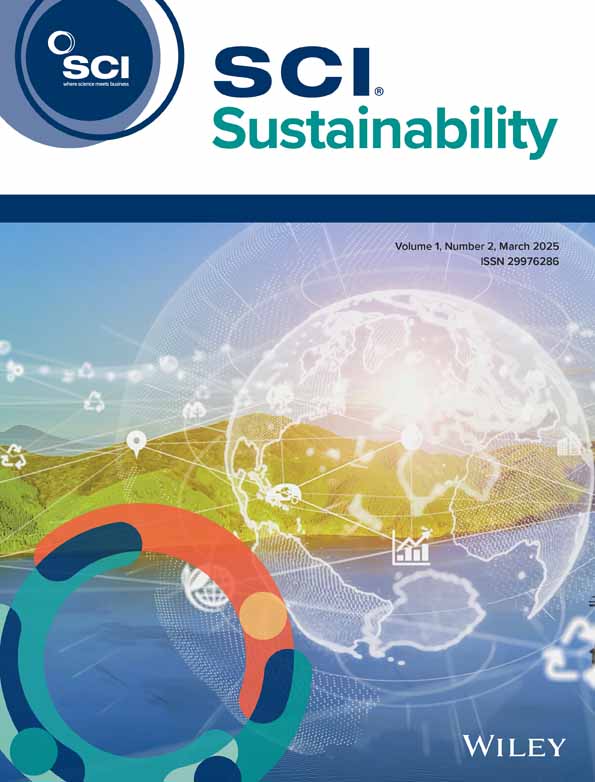
SCI Sustainability (Wiley)

SCI Sustainability

Wiley – Special Issue

Selected high-quality papers will be invited for submission to a Special Issue of SCI Sustainability (Wiley). All invited manuscripts will undergo the journal's standard editorial screening and rigorous peer-review process.

Important Dates

All deadlines at 23:59 Nepal Standard Time (UTC+5:45). Dates subject to change.

31 July 2026
Abstract Submission Deadline
1–15 Aug 2026
Notification of Abstract Acceptance
30 Sep 2026
Full Paper Submission Deadline
20 Aug 2026
Early Bird Registration Deadline
2–3 Dec 2026
Conference Dates
Kathmandu University, Dhulikhel, Nepal

Thematic Areas

All themes are of equal priority with dedicated parallel session tracks.

Theme 1

Renewable Energy Technologies & Storage

Solar, wind, hydro, biomass, geothermal, and ocean energy; batteries, pumped hydro, and hydrogen storage; grid integration and performance optimisation.

Theme 2

Energy Systems Modeling & Digitalization

Energy system modelling and planning tools; AI and machine learning in energy; smart grids, IoT-enabled energy management, and digital twins.

Theme 3

Policy, Governance & Net-Zero Pathways

National energy policies; NDC implementation; international climate finance, carbon markets, and multilateral energy diplomacy.

Theme 4

Energy Access & Just Transition

Energy poverty and access; gender and energy; community-owned renewable systems; just transition frameworks for fossil fuel-dependent regions.

Theme 5

Green Finance & Energy Economics

Economics of renewable energy; green bonds, blended finance, and climate investment; energy subsidies reform and private sector mobilisation.

Theme 6

Energy–Water–Food & Circular Economy

Nexus approaches to energy, water, and food security; agri-solar; waste-to-energy and bioenergy sustainability.

Theme 7

Electric Vehicles & Sustainable Mobility

EV technologies and adoption; charging infrastructure; sustainable urban mobility; two- and three-wheeler electrification in developing economies.

Theme 8

Building Energy Efficiency & Sustainable Built Environment

Climate-responsive building design; affordable energy-efficient housing; local materials and low-carbon construction; resilient and sustainable urban development.

Keynote Speakers

Leading international scholars and practitioners in renewable energy and sustainable development.

Invited Speakers

Distinguished experts and researchers contributing to global energy transition dialogues.

Prof. Frank Lipnizki

Prof. Frank Lipnizki

Lund University, Sweden
Division of Chemical Engineering

Specialist in membrane processes and separation technologies for food, biotech, and water treatment industries.

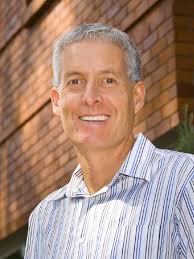
Prof. Tim Anderson

Prof. Timothy Anderson

Charles Sturt University, Australia
School of Computing, Mathematics and Engineering

Mechanical engineer with over 20 years of expertise in solar and renewable energy technologies and sustainable built environments.

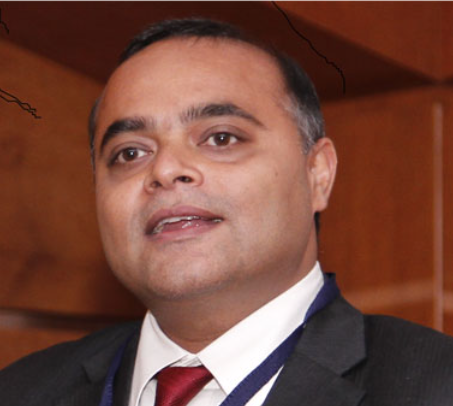
Prof. Indradip Mitra

Prof. Indradip Mitra

Indian Institute of Management, Kozhikode, India
India-Japan Centre on Climate and Culture

Expert in renewable energy systems, grid integration of variable RE, energy modeling, and smart grid infrastructure.

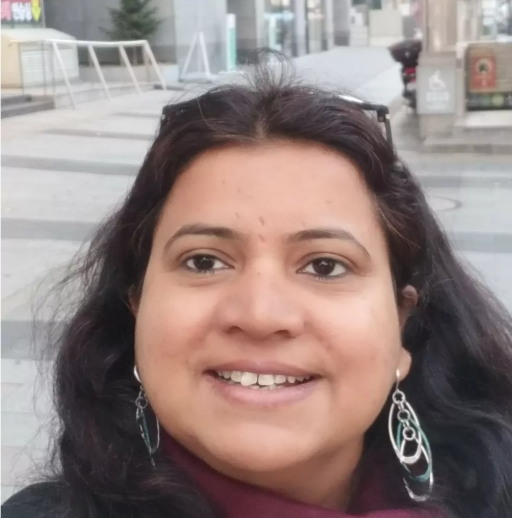
Prof. Smita Raghuvanshi

Prof. Smita Raghuvanshi

BITS Pilani, Pilani Campus, India
Department of Chemical Engineering

Specialist in biochemical engineering, bio-mitigation of industrial flue gases, carbon capture, and life cycle assessment.

Ms. Laura Jalasjoki

Ms. Laura Jalasjoki

Global Green Growth Institute (GGGI)
Green Finance & Energy Economics

Nepal and Pakistan Country Representative with nearly 20 years of experience in green growth policy, sustainable development planning, and climate finance.

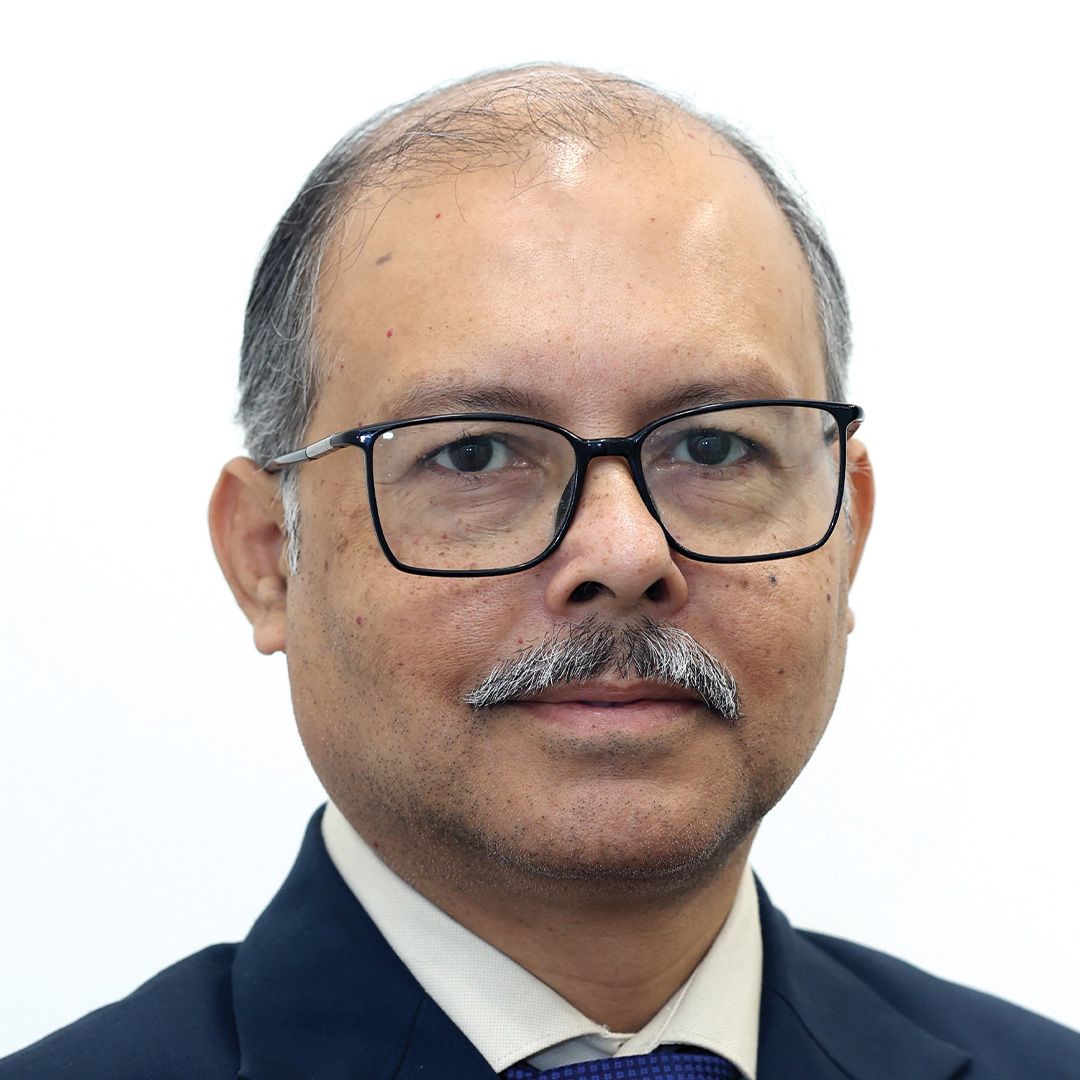
Dr. Debajit Palit

Dr. Debajit Palit

Chintan Research Foundation (CRF), India
Centre for Climate Change and Energy Transition

Over 26 years of experience in renewable energy, energy access, micro-grids, and energy-livelihood-gender nexus. Featured in Stanford University's Top 2% World's Scientists Ranking.

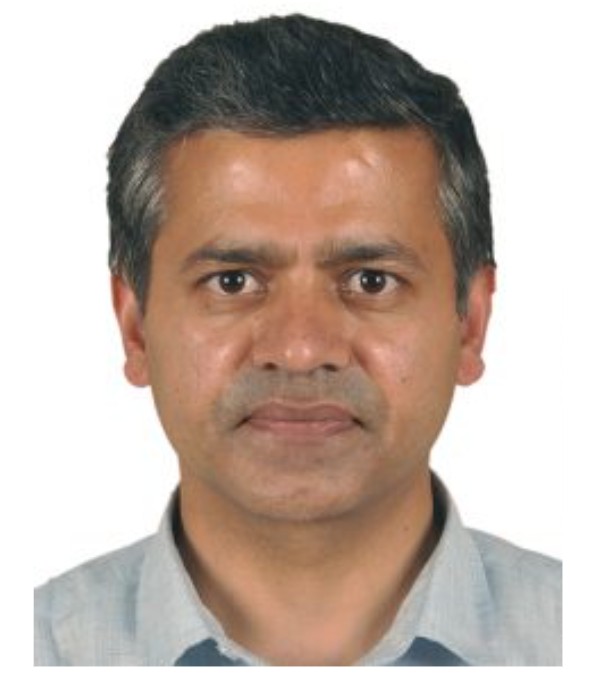
Dr. Pratham Arora

Dr. Pratham Arora

IIT Roorkee, India
Department of Hydro and Renewable Energy

Associate Professor at IIT Roorkee specializing in comparative life cycle assessment, process optimization, and techno-enviro-economic analysis of energy systems.

More keynote and invited speakers will be announced. Check back for updates.

Venue

Kathmandu University, Dhulikhel, Nepal

Kathmandu University(KU) is an autonomous, not-for-profit, self-funding public institution established by an Act of Parliament in December 1991. It is an institution of higher learning dedicated to maintaining the standard of academic excellence in various classical and professional disciplines.

Conference Hall
CV Raman Auditorium & Parallel Session Halls, School of Engineering
Accommodation
Recommended hotels in Dhulikhel and Kathmandu provided closer to the event

Call for Papers & Submissions

We invite original research papers, policy papers, case studies, and poster presentations.

Publications

Only selected full papers, following a rigorous peer-review process, will be considered for publication in one of the following outlets:

Energy for Sustainable Development (ESD)
A selection of high-quality papers will be considered for developing a special issue in journals like ESD, subject to meeting the requirements and standards of the journals.
SCI Sustainability (Wiley) – Special Issue
Selected high-quality papers will be invited for submission to a Special Issue of SCI Sustainability (Wiley). All invited manuscripts will undergo the journal's standard editorial screening and rigorous peer-review process. Only papers that meet the journal's quality standards will be accepted for publication.
IOP Conference Series: Earth and Environmental Science (EES)
An open-access conference proceedings series covering applied sciences, engineering, and environmental research. The IOP Conference Series: Earth and Environmental Science (EES) is indexed in Scopus, Google Scholar, and several other recognized abstracting and indexing services.
KUSET Journal
The Kathmandu University Journal of Science, Engineering and Technology (KUSET) is a peer-reviewed journal that publishes high-quality research in science, engineering, and technology at both the national and regional levels.

Review Process

All abstracts and full papers undergo peer review by the Scientific Committee. Authors notified per the Important Dates schedule.

Submission Guidelines →

  • Abstracts should be 300 words
  • Abstract only submissions and poster presentations are also accepted.
  • Full papers must follow the provided Author Guidelines.
  • All submissions must be original and not under review elsewhere.
  • Accepted papers considered for IOP Conference Series or KUSET Journal.
  • Submissions accepted in English only.

Ready to Submit?

Abstracts are submitted and managed through the IOP Morressier platform.
Abstract deadline: 31 July 2026

Submission Guidelines Submit via IOP →

Registration Fees

Oral and Poster presentors should register to confirm their presentation's place in the schedule, program, and proceedings

Early Bird Registration is now open! Register before 20 August 2026 to benefit from discounted rates.

Category Early Bird Rate (Until 20 AUG 2026) Regular Rate (Until 30 SEP 2026)
Professional Student Professional Student
National (Nepal) NRs 5,000 NRs 2,500 NRs 6,000 NRs 3,000
SAARC Countries USD 100 USD 50 USD 120 USD 70
International USD 200 USD 100 USD 225 USD 120

Terms and Conditions


  1. Registration fee covers onsite attendance to all sessions, all conference materials, luncheons and coffee breaks, and an invitation letter (for visa purpose) only.
  2. Registration fee does not cover travel and accommodation costs.
  3. Filling-in the registration form is only STEP 1. Registration is incomplete until payment is received.
  4. Authors MUST register for their papers to be included in the conference schedule of presentations, abstracts/program, and proceedings.
  5. Nepali national who are affiliated to international institutions MUST register as international participants.

One (1) registration fee is valid for only one (1) person/participant for one (1) paper presentation.

  • Researchers must submit their valid ID.
  • Students must provide a copy of their current valid student ID.

⚠ Registration fee is non-refundable.

To register, CLICK the PAYMENT PORTAL button below. Then, please choose your classification and carefully follow the instructions. You will then be asked to fill-in the online registration form.

Scientific Committee

Prof. Andrew Blakers

Australian National University, Australia

Andrew Blakers (AO FAA FTSE FRSN) is Professor of Engineering at the Australian National University. He was a Humboldt Fellow and has held Australian Research Council QEII and Senior Research Fellowships. He has published approximately 300 papers and patents.

Dr. Debajit Palit

Chintan Research Foundation (CRF), India

Dr. Debajit Palit is a researcher, practitioner, author, editor, and trainer with more than 26 years of experience working in the domain of renewable energy, energy transition, clean energy access, micro-grids, and energy-livelihood-gender nexus.

Prof. Frank Lipnizki

Lund University

Prof. Frank Lipnizki is the President of the European Membrane Society (EMS) and Professor of Chemical Engineering at Lund University, specializing in separation and membrane processes across industries such as food, biotech, pulp, biorefineries, and water treatment. His research focuses on process integration, optimization, and addressing challenges like membrane fouling and cleaning

Prof. Jeffrey Seay

University of Kentucky, USA

Prof. Jeffrey Seay is a Professor in the Department of Chemical and Materials Engineering at the University of Kentucky. His research interests include biofuels, green engineering, sustainability, and process safety.

Dr. Juha Kaskinen

University of Turku, Finland

Dr. Juha Kaskinen is the Director of the Finland Futures Research Centre at the University of Turku. His research focuses on futures studies, regional foresight, environmental sociology, and sustainable development.

Prof. Konrad Koch

Technical University of Munich, Germany

Prof. Konard Loch is an expert in sustainable resource recovery from organic waste streams, focusing on wastewater and biowaste. His work centers on wastewater treatment innovations, anaerobic digestion optimization, and sector coupling approaches like power-to-gas, spanning both fundamental and applied research from lab to real-world implementation.

Prof. Marc Jeuland

Duke University, USA and co-lead, Sustainable Energy Transitions Initiative (SETI)

Marc Jeuland is a Professor in the Sanford School of Public Policy, with a joint appointment in the Duke Global Health Institute. His research interests include nonmarket valuation, water and sanitation, environmental health, energy poverty and transitions, trans-boundary water resource planning and management, and the impacts and economics of climate change.

Prof. Nazia M Habib

University of Cambridge, England

Prof. Nazia M. Habib (FRSA) is an interdisciplinary academic at the University of Cambridge, holding appointments in Engineering and Land Economy. She is the Founder and Research Centre Director of the Centre for Resilience and Sustainable Development (CRSD), focusing on sustainability science, systems thinking, and advising over 20 governments on policy.

Prof. Priyanka Kaushal

IIT Delhi, India

Dr. Priyanka Kaushal is a Professor at the Centre for Rural Development and Technology (CRDT) at Indian Institute of Technology (IIT) Delhi. She has worked near the interface between Clean Energy Technology, Society and Climate Change for the last 20 years.

Prof. Rajan Kumar Thapa

University of South-Eastern Norway, Norway

Prof. Thapa specializes in process and energy technology, with a particular focus on the gasification of biomass. His expertise includes fluidized bed modeling, simulation of fluid-particle flow, and bioenergy system optimization.

Prof. Shikun Cheng

University of Science and Technology Beijing, China

A Professor at the University of Science and Technology Beijing, Prof. Cheng is an expert in material science and corrosion engineering. His research focuses on Sustainable environmental sanitation, Biogas and anaerobic digestion and Environmental management.

Prof. Smita Raghuvanshi

BITS Pilani, India

Prof. Smita Raghuvanshi is a Professor in the Department of Chemical Engineering at BITS Pilani, Pilani Campus. Her research interests include chemical engineering, environmental sustainability, and related fields.

Prof. Sunil Prasad Lohani

Kathmandu University, Nepal

A Professor and lead of the Renewable and Sustainable Energy Laboratory (RSEL), Prof. Lohani focuses on 100% Renewable Energy, Energy Systems, Just Energy Transition, Biogas and Bio-Circular Economy, Energy Policy and Climate Change

Prof. Timothy Anderson

Charles Sturt University, Australia

Prof. Anderson is a is a mechanical engineer with over 20 years of research and teaching experience. He works extensively on solar energy, and has published numerous works in the field.

Prof. Viboon Sricharoenchaikul

Chulalongkorn University, Thailand

Prof. Viboon Sricharoenchaikul, PhD, is a Professor in the Department of Environmental and Sustainable Engineering and Director of the Energy Research Institute at Chulalongkorn University. His research centers on waste-to-energy technologies, renewable energy (pyrolysis and gasification), catalytic green fuel processing, and sustainable engineering.

Organizing Committee

Conference Chair
Prof. Sunil Prasad Lohani

Prof. Sunil Prasad Lohani, PhD

Department of Mechanical Engineering, Kathmandu University
DT

Prof. Daniel Tuladhar

Department of Mechanical Engineering at Kathmandu University

HN

Prof. Hari Prasad Neopane

Department of Mechanical Engineering at Kathmandu University

BK

Dr. Binaya K.C

Department of Mechanical Engineering, Kathmandu University.

BS

Dr. Bijendra Shrestha

Department of Mechanical Engineering, Kathmandu University

SS

Dr. Surendra Sujakhu

Department of Mechanical Engineering, Kathmandu University.

SC

Dr. Sailesh Chitrakar

Department of Mechanical Engineering, Kathmandu University

RS

Dr. Ranjit Shrestha

Department of Mechanical Engineering, Kathmandu University

GB

Dr. Geeta Bhatta

Renewable and Sustainable Energy Laboratory (RSEL), Kathmandu University

PS

Mr. Poushan Shrestha

Renewable and Sustainable Energy Laboratory (RSEL), Kathmandu University

PT

Mr. Prabesh Timilsina

Renewable and Sustainable Energy Laboratory (RSEL), Kathmandu University

DK

Mr. Dipesh Khanal

Department of Mechanical Engineering, Kathmandu University

In Collaboration with

Australian National University
Australia
Technical University of Munich
Germany
University of South-Eastern Norway
Norway
Energy Research Institute, Chulalongkorn University
Thailand
Indian Institute of Technology (IIT), Delhi
India
Chintan Research Foundation (CRF)
India

The full Scientific Committee, Advisory Committee, and Organizing Committee roster will be published closer to the conference.
Contact Us

Organiser
Renewable and Sustainable Energy Laboratory (RSEL)
Department of Mechanical Engineering, Kathmandu University
Dhulikhel, Bagmati Province, Nepal
Abstract Submissions & Paper Queries

Submit via IOP. For queries, contact the organising committee by email. Open IOP Portal →

Sponsorship & Partnerships

For sponsorship, exhibition, and partnership enquiries, please reach out by email.

Visa & Travel Assistance

International delegates requiring visa support should contact the organising committee directly.