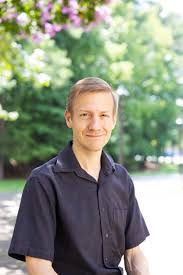
Prof. Marc Jeuland
Sanford School of Public Policy
Duke University, USA and co-lead, Sustainable Energy Transitions Initiative
(SETI)
Marc Jeuland is a Professor in the Sanford School of Public Policy at Duke University, with a joint appointment at the Duke Global Health Institute. His research focuses on nonmarket valuation, water and sanitation, environmental health, energy poverty and transitions, transboundary water resource management, and the economics of climate change.
His work combines economic analysis with field-based research, including studies on climate impacts on water systems, adoption of environmental health technologies, and cost–benefit evaluations of interventions in developing countries. He has conducted multiple field experiments on topics such as water quality information and household behavior, cleaner cookstove adoption, and rural water and sanitation program impacts.
In the energy and development space, he works on cleaner cooking solutions, energy access and reliability measurement, and broader assessments of energy systems in low-income settings. He is also a co-founder of the Sustainable Energy Transitions Initiative (SETI) and collaborates with the Energy Access Project at Duke.
He has advised and worked with major international organizations including the World Bank, USAID, UNICEF, and the Millennium Challenge Corporation. Earlier in his career, he served as a Peace Corps volunteer in Mali, where he helped design a wastewater treatment system and supported its operational management.